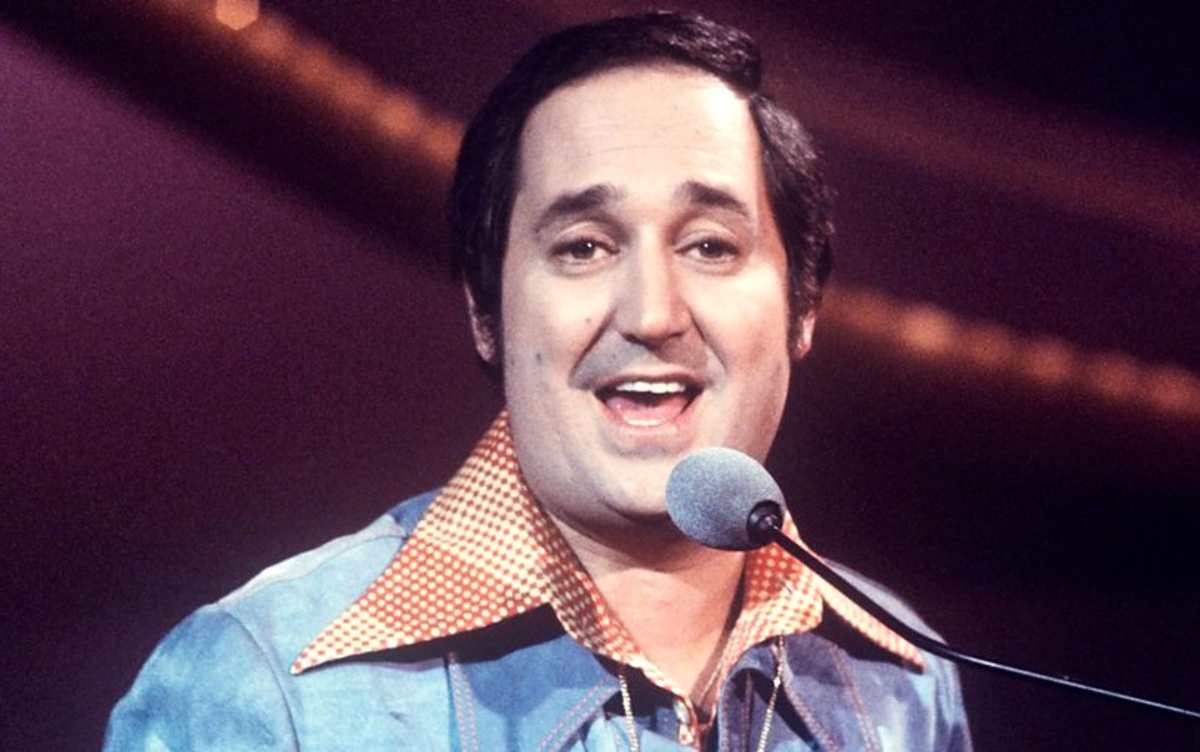
Freelancing for the now defunct Ottawa Journal in the late Sixties I heard that pop singer Neil Sedaka was performing in the area. Neil Sedaka’s early hits were unshakable earworms (“If I should smile in sweet surprise, it’s just that you’ve grown up before my very eyes…”). You couldn’t turn on a radio without hearing one of his songs: Calendar Girl , Breaking Up is Hard to Do, Happy Birtday Sweet Sixteen, on and on.
But by the time I convinced my editor at the Journal to do a piece on him, Sedaka had dropped out of view, pushed aside almost overnight by the so-called British invasion, led by the Beatles. I hurried across the Ottawa River to the Gatineau Club where he was playing, staying at a rather rundown motel that was part of the club.
Sedaka met me in his room, a chubby, moon-faced, balding man, twenty-eight-years-old—I was so young and naïve at the time, I thought twenty-eight was old. He was not exactly the personification of a pop singer, but he was cheerful and welcoming. If he was feeling down on his luck playing this, to say the least, minor venue he gave no sign of it. Instead, he professed to be optimistic about his future.
“I’m starting a new career,” he said enthusiastically, “almost like a second time around.”
Sitting with him on an unmade bed, we spoke for the better part of an hour. Sedaka stopped going on about his future from time to time to regale me with great stories about the kid from Brooklyn who hung out with Carol King in high school was supposed to pursue a career as a classical pianist until he began writing the hit songs that made him a teen idol at the age of nineteen. In a much different era, he was a pioneer.
“You could count them (teen idols) on the fingers of one hand,” he remembered. “There were less than ten of us. They spent a hundred thousand dollars on me alone. The only other rock ’n’ roll singer they had then was Elvis Presley.”
We were talking away when the door opened and in came a young woman in a diaphanous blouse, wearing shorts. “Neil, honey…” she began and then stopped when she saw me. “Oh, she said, “sorry, didn’t know you had company.”
And away she went.
Sedaka had gone white. “Don’t get the wrong idea, that was nothing,” he announced in a panicked voice, jumping to his feet and pacing back and forth. “I’m a happily married man. I’ve got two kids.” This was one of his backup singers, nothing more to it than that.
I did my best to reassure him that I wasn’t going to write about what had happened, and I didn’t. But he was clearly rattled. I wondered back then, of course, and all these years later, hearing of his death at the age of eighty-six, I still wonder.
Later that evening Sedaka sat at the piano and smoothly performed his hits. As I recall, there was a good crowd but the Gatineau Club wasn’t full. It didn’t seem to matter. Sedaka gave it his all.
None of the record deals or albums he talked about happened. But six years after I spoke with him he met Elton John at a party. A huge admirer, John signed him to his record label and helped to resurrect his career.
Sitting on that unmade bed, thinking back on his teen idol years, Sedaka said that for the rock singers like him who fell so suddenly from grace, “There were lots of tragedies.”
Neil Sedaka, thankfully, wasn’t one of them.